Tasmanian Oak: The Victorian Builder's Guide to Species, Properties & Grade Selection (2026)
Tasmanian Oak is one of the most widely specified hardwoods on Victorian projects, valued for its warmth, workability and structural performance. This guide covers what the timber is, how it behaves, and how to choose the right grade for your 2026 project.
Why Victorian Builders Are Specifying Tasmanian Oak in 2026
Hardwood specification in Victoria has moved on considerably in recent years, and documents written before 2024 are worth revisiting. Tasmanian Oak sits at the centre of current practice: reliably available, consistently graded, and proven across interior joinery, flooring and structural framing.
It is a well-understood timber with established grading standards under AS 2082, dependable supply from managed regrowth forests, and a long track record on Victorian projects. For builders and designers updating their specifications, it is a straightforward timber to write in and source.
What Is Tasmanian Oak? Species and Appearance
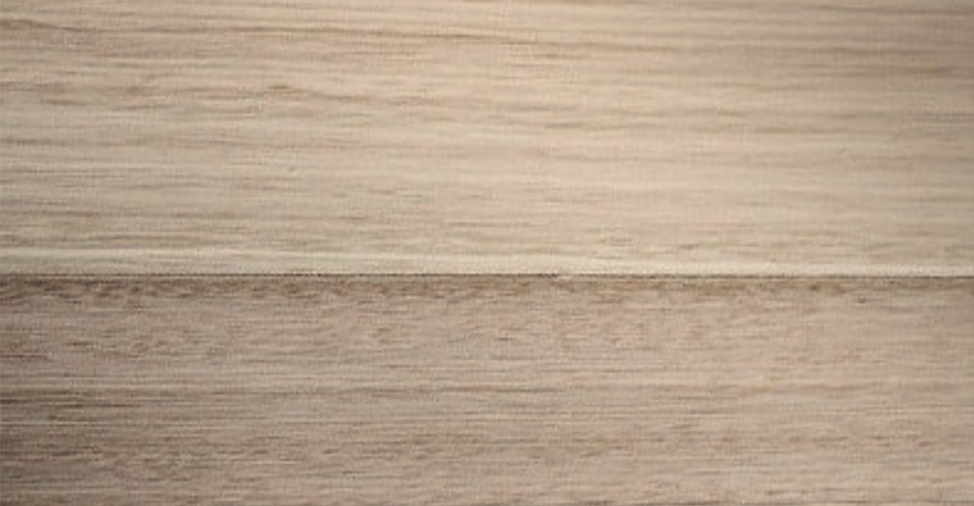
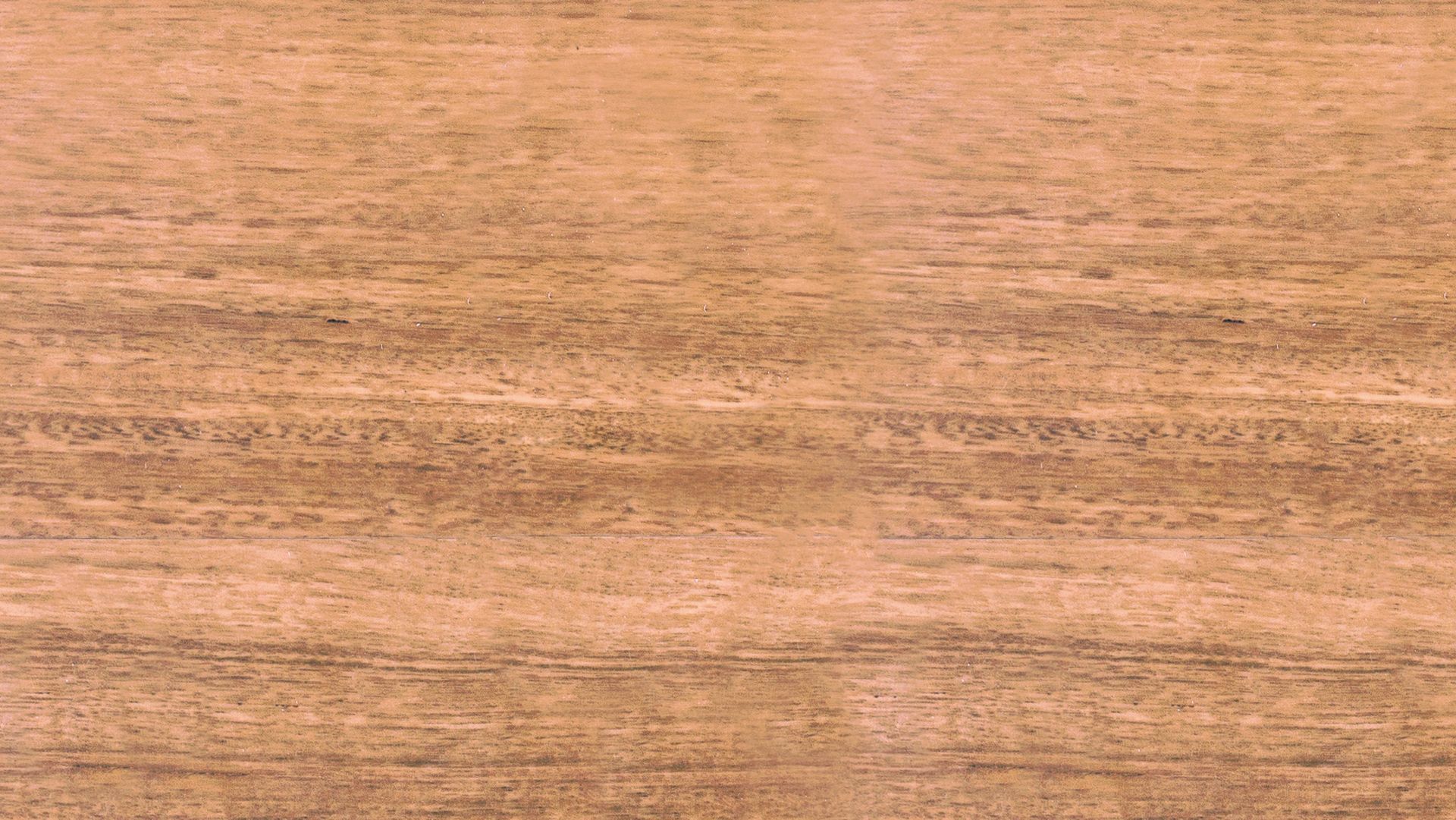
Tasmanian Oak is the trade name for three closely related eucalypts (Eucalyptus delegatensis, Eucalyptus regnans and Eucalyptus obliqua) harvested and milled together. Drawing on three species gives the timber its characteristic colour range, from pale straw through to light reddish brown, with a straight, even grain. Many designers in VIC find this tonal variation desirable for feature flooring and joinery.
| Property | Tasmanian Oak |
|---|---|
| Species | E. delegatensis, E. regnans, E. obliqua |
| Colour range | Straw to light reddish brown |
| Structural rating (seasoned) | Up to F17 |
| Durability above ground | Class 3 (7--15 yrs |
| Lyctid borer susceptibility | Sapwood susceptible |
| Workability | Excellent |
| Standard | AS 2082 |
One point to note: the sapwood of Tasmanian Oak is susceptible to lyctid borer. For interior use, this is managed during processing and is not a barrier to specification. The timber is easy to work with, produces a beautiful warm finish, and is renowned for its excellent staining qualities.
Grade Selection Guide for Victorian Projects
Select Grade
Select grade offers clearer boards with fewer features. It suits high-visibility joinery, cabinetry, feature walls, and architectural staircases where a clean, consistent appearance matters.
Classic Grade
Classic grade includes more natural character such as gum vein. It suits feature-rich flooring, exposed ceiling linings, and cost-sensitive residential projects. Many builders in regional Victoria choose classic grade for its natural warmth.
Prime Grade Flooring
Prime grade Tasmanian oak flooring is a new industry grade encompassing the best product quality and features that the Tasmanian Timber industry can supply. A true mix of natural features and serviceability to give the purchaser a truly hardwearing timber floor unique by its own nature.
F17 Structural Grade
F17-rated stock is a premium hardwood framing timber valued for its strength and stability. Seasoned material can be visually stress-graded to F11, F14 and F17 according to AS 2082. For Victorian builders specifying hardwood framing, F17 structural grade is a well-proven performer.
A Note on Indoor Use
This timber excels indoors. Durability above ground is Class 3, with a life expectancy of 7-15 years. Keep it to interior applications and protected above-ground situations to get the most from the material.
Common Applications for Victorian Builders and Designers
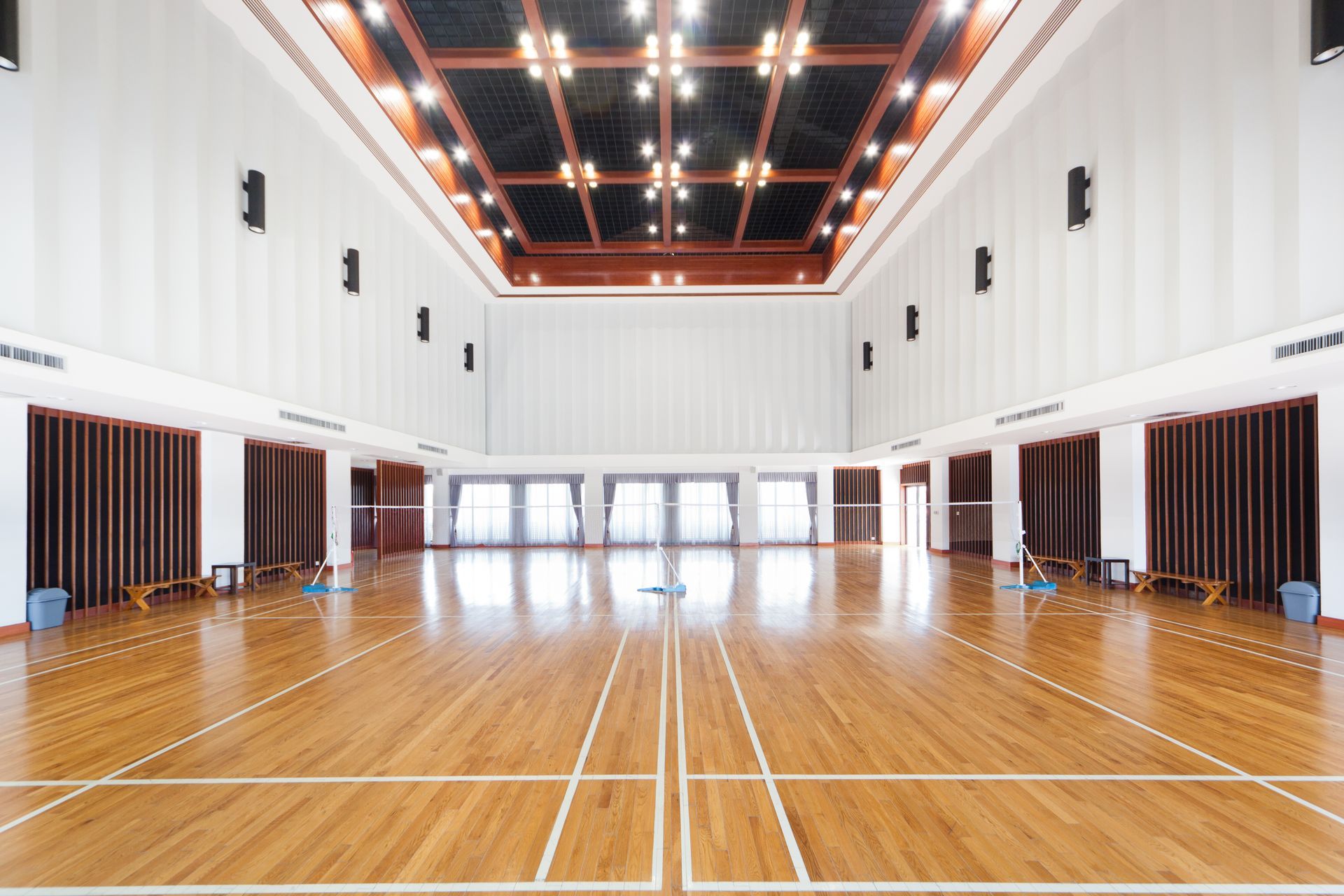
Tasmanian Oak suits a wide range of project types across VIC, from Melbourne's inner-suburb renovations to new builds in Geelong, Ballarat, and the Mornington Peninsula. Interior applications include hardwood flooring, window frames, door frames and skirting, staircases and balustrades, furniture and cabinetry, F17-grade structural framing, and feature wall cladding and panelling.
Its staining qualities make it particularly useful where designers need to match existing finishes or create a cohesive look across multiple rooms.
Is Tasmanian Oak a Sustainable Choice for Victorian Projects?
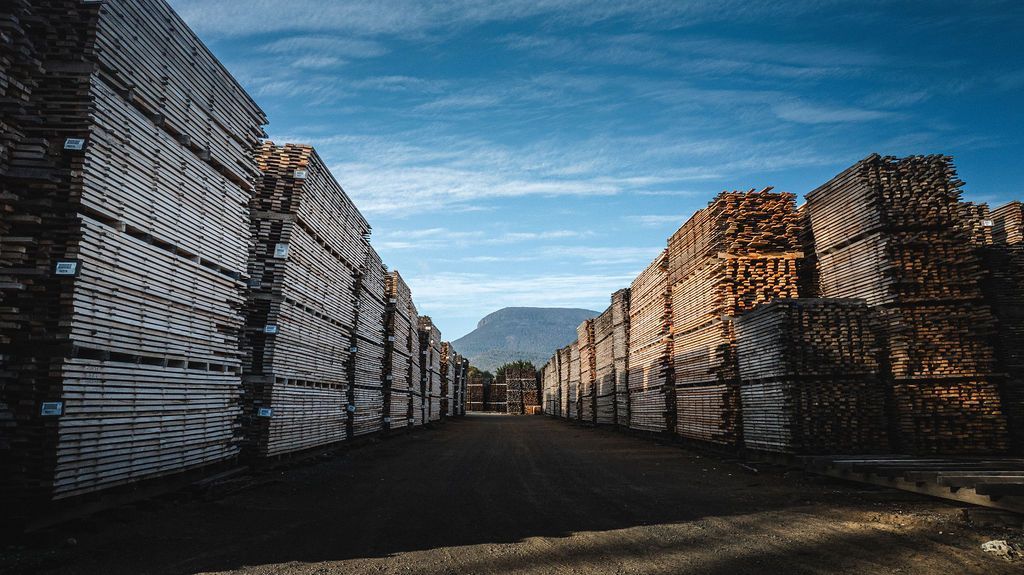
Yes. Sustainably sourced stock carries credible certification. Tasmanian Oak is a regrowth species sourced from managed forests overseen by Sustainable Timber Tasmania, with PEFC accreditation through Responsible Wood, audited against the AS/NZS 4708:2021 standard. Australian-sourced stock keeps transport emissions low, and the timber can be recycled or reclaimed at end of life. For projects targeting green building ratings, PEFC-certified Tasmanian Oak offers a traceable chain of custody from forest to finished project.
Can Tasmanian Oak Be Used for Structural Framing in Victoria?
Yes. It carries an F17 structural rating, with seasoned material visually stress-graded under AS 2082. Victorian builders using it for load-bearing frames, lintels, and exposed structural beams will find it a reliable, code-compliant option.
Source Your Tasmanian Oak for Victorian Projects With McKay Timber
Tasmanian Oak is a practical, proven performer across all major project types in VIC. McKay Timber is a sustainably focused manufacturer and supplier of premium Tasmanian Oak, serving Victorian builders and designers from their distribution facility in Dandenong, VIC. With branches in both Tasmania and Victoria, and supply available across Australia’s Eastern Seaboard, the team can advise on grade selection, moisture content, and professionally milled profiles to suit your project.
Explore the full Tasmanian Oak product range or get in touch with the team<https://mckaytimber.com.au/contact/> to request a quote. Call 03 6272 6941 to speak with a timber specialist today.
Find McKay Timber on Google Maps to locate your nearest branch.